Calculating Your Bankroll for Cheltenham Festival
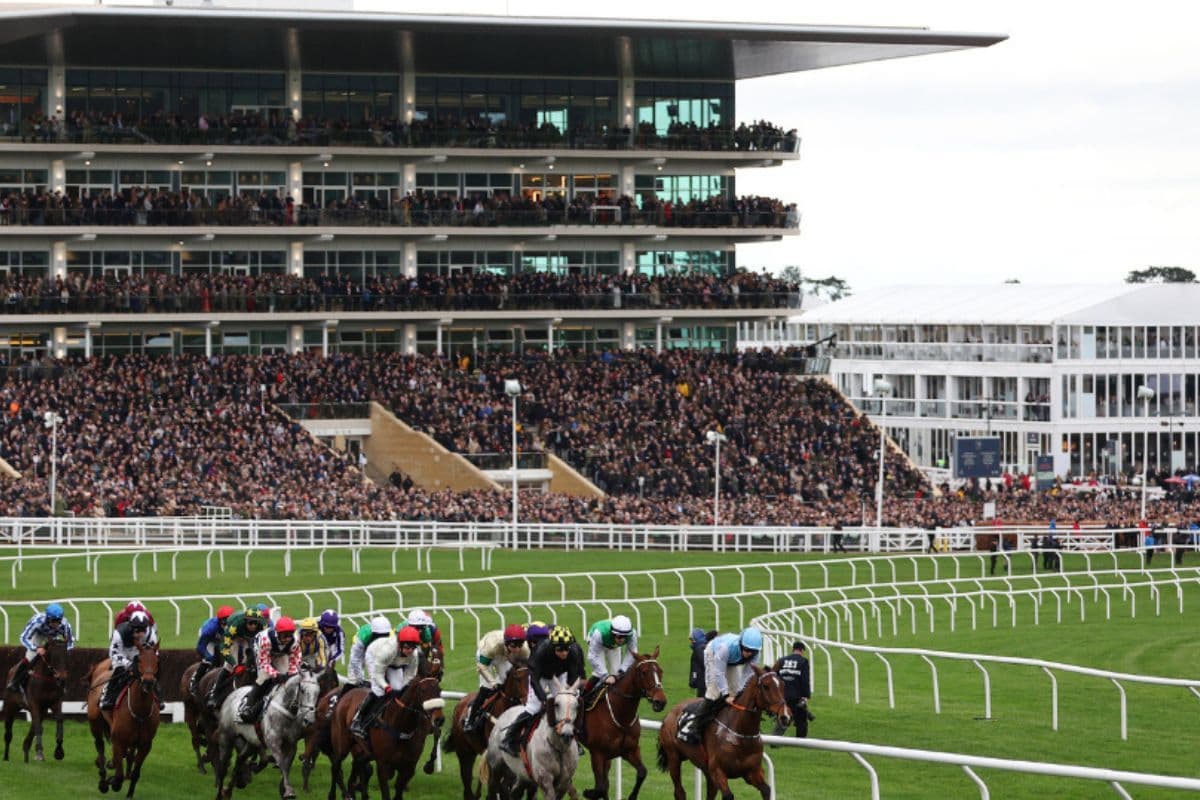
Cheltenham Festival can make even disciplined punters feel like every race is “the one.” Four days, deep fields, changing ground, and prices that move quickly can reward good preparation and punish vague optimism. The most practical question is not which horse will win, but how much money you can put to work without letting short-term swings dictate your decisions.
A bankroll is simply the amount of money you set aside for Festival betting and nothing else. Getting it right is less about bravado and more about matching your staking to the reality of variance at Cheltenham.
Why Cheltenham demands a bigger buffer than a normal Saturday
Festival racing compresses a huge number of high-quality betting opportunities into a short window. That sounds friendly to the punter, yet the competitive nature of the handicaps and the density of information in the market can lead to longer losing runs than people expect.
Even if your selections are sound, you can still face:
- Larger fields than standard meetings
- More non-runners and late ground changes
- Tactical rides and hard-luck stories in rough handicaps
- Bookmaker concessions that tempt bigger stakes than planned
Cheltenham is not unbeatable; it is simply more volatile. A suitable bankroll is the one that lets you keep staking consistently from Tuesday to Friday, even after a poor afternoon.
Define the job your bankroll needs to do
Bankroll questions often hide another question: what are you trying to achieve during the week? Some want steady entertainment, others want to attack value prices, and some are chasing a “Festival moment” with a small number of high-risk bets. Your bankroll should be sized for the plan, not the dream scenario.
Start by deciding what you want your week to look like in practice:
- Experience-led punting: a fixed amount that buys enjoyment without pressure
- Process-led betting: a structured approach where stake size is set before you see the racecard
- High-variance swings: bigger odds, multiples, and a willingness to accept sharp drawdowns
If you cannot clearly state which of these you are doing, you will probably drift between them midweek — and that is where bankrolls tend to unravel.
Bankroll units: the simplest way to stay rational
Rather than thinking in pounds per race, think in units. One unit is a small, repeatable slice of your bankroll. This makes it much easier to keep stakes consistent whether you are winning or losing.
A common range is 1 unit = 0.5% to 2% of bankroll, depending on how aggressive you want to be and how confident you are in your edge. Cheltenham handicaps often merit the cautious end of that range.
Two quick principles help:
- Your unit should feel boring. If each bet feels dramatic, your unit is too large.
- Bigger opinions can still be managed. A strong fancy might be 2 units rather than 10.
Many punters find that once they settle on a sensible unit, the bankroll question largely answers itself.
The hidden bankroll drains: each-way, Rule 4, and impulse bets
Cheltenham creates specific pressures on bankroll management, and they often show up in places punters do not track properly.
Each-way betting is a classic example. An each-way bet is two bets — win and place. If your stake is “£10 each-way,” your total outlay is £20. That is not a problem if it is part of the plan; it becomes a problem when it is treated mentally as the same as a £10 win bet.
There are also friction costs that feel small but compound over the week:
- Rule 4 deductions: price changes after non-runners can reduce returns
- Price chasing: taking shorter odds late because the horse “has to run well”
- Extra races: novelty multiples and impulse bets outside the main plan
One sentence that protects a bankroll is simple: if it was not good enough to plan, it is not good enough to bet.
Staking frameworks that work well at the Festival
You do not need a complex model to bet Cheltenham responsibly. You need a staking framework that fits your temperament and stops you from changing the rules under stress.
After choosing a unit size, these simple frameworks work well:
- Flat staking: 1 unit per bet, occasionally 2 units when strict criteria are met
- Confidence bands: a small set of predefined stake levels
- Two-bank approach: one bankroll for singles and a smaller “fun” pot for multiples
If you like confidence bands, keep them tight. A practical structure might be 0.5 units, 1 unit, and 1.5 units. Wide ranges create wide emotional swings — and Cheltenham already supplies plenty of those.
How many bets should you plan for?
This is where “how much bankroll” becomes a concrete calculation. Start with how many bets you realistically expect to place, then make sure your bankroll can sustain a losing run without forcing you to cut stakes or chase.
A sensible planning assumption is 25 to 45 bets across the week, depending on whether you play every race or only selected ones.
Stress-test your plan by assuming you might lose 10 to 15 bets in a row, especially if you focus on big-field handicaps at mid to big prices. If that scenario would wipe out your bankroll or make you panic, reduce stakes or increase the bankroll.
A simple rule of thumb:
- If 1 unit is 1% of bankroll, then 15 straight losses equals roughly a 15% drawdown — uncomfortable but manageable.
- If 1 unit is 5% of bankroll, the same run becomes catastrophic.
Cheltenham can be brilliant, but it does not suspend mathematics.
Singles versus multiples: keep the maths honest
Multiples can be entertaining and sometimes lucrative, but they increase variance sharply. That is not a moral judgement — it is simply the arithmetic of needing several results to land at once.
If you include multiples, treat them as a separate product with their own staking rules. Many punters find a simple cap works best: decide a maximum amount for all multiples per day and keep it low enough that a blank day does not affect the rest of your week.
A practical approach:
- Keep most of your bankroll in singles and each-way bets
- Allocate a small fixed daily amount to multiples
- Do not refill the multiples pot midweek
If a multiple wins, consider withdrawing profit or maintaining the same daily cap rather than escalating stakes.
Bookmakers, exchanges, and bankroll pressure
Where you bet influences how large your bankroll needs to be. Bookmakers may offer concessions and enhanced place terms, while exchanges can provide sharper prices and more flexibility.
With bookmakers, the risk is being tempted into higher volume. With exchanges, the risk is over-betting because the market feels efficient. Neither is inherently wrong — both require discipline.
One powerful habit: write down your intended stake and minimum acceptable price before placing any bet. If the price disappears, let the race go. There will always be another opportunity.
A quick bankroll calculator you can use today
If you want a direct working number, choose three inputs:
- Expected number of bets across the week (for example, 35)
- Unit size as a percentage of bankroll (for example, 1%)
- Maximum tolerable drawdown during the Festival (for example, 25%)
If you stake 1 unit per bet, a 1% unit size typically gives enough breathing room to survive normal variance. At 2% units, the same losing run will feel twice as aggressive.
If you prefer starting from a cash figure, pick an amount you would genuinely be comfortable losing, then set your unit so that a rough day does not push you into emotional decisions. That is the core of sustainable Festival betting.
Responsible boundaries that keep the week enjoyable
Cheltenham should be enjoyable, even for serious bettors. A bankroll is also a boundary: it protects both your finances and your decision-making.
Write these rules down before the Festival begins:
- Set a hard weekly deposit limit
- Define your maximum stake per race
- Choose races or times when you will not bet
- If alcohol is involved, reduce stakes or stop for the day
If the bankroll feels tight by Thursday morning, the smartest move is usually to lower stakes and keep the process steady. A small, calm unit beats a large, emotional one every time.