Cheltenham Festival Day 1 Betting Guide: Top Tips
Day 1 at Cheltenham has a habit of setting the tone for the whole week. The roar, the early pace, the changeable March ground and the sheer depth of the novice races can tempt even disciplined punters into rushing decisions. A better approach is calmer: treat the card like a series of separate problems, build a view on conditions, then choose bets that fit both the race and your risk tolerance.
A strong Day 1 betting plan is less about trying to be right every time and more about putting your money behind situations that repeatedly reward good judgement.
Day 1 at a glance
The opening day mixes two elite novice Grade 1s, the feature Championship race, and three handicaps that can swing bankrolls quickly. Thinking in “race types” helps, because each type invites different bet selections.
Start with the conditions, not the hype
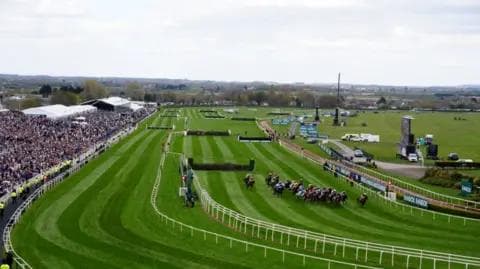
Cheltenham is a thinking track. The undulations, the long run from the final turn, and the punishing uphill finish exaggerate both strengths and weaknesses. On Day 1, that effect is sharpened by freshness: some novices race too keenly, some chasers are a stride slow early, and fields tend to go a proper gallop.
Ground is the first filter. Soft ground can turn “speedy” novices into tired jumpers, while good ground can expose a plodder who looked strong in winter mud. Wind matters too, especially for front-runners trying to stack the field before the hill.
If you do one thing on the morning of Day 1, do it consistently:
- Going and any watering notes
- Non-runners and what they do to pace
- Any clear bias from earlier races
- Market strength that persists through the final ten minutes
Race-by-race thinking
A day that looks intimidating becomes manageable once you decide what you want each race to look like before you bet.
Supreme Novices’ Hurdle: back speed, but demand composure
The Supreme is often won by a novice with real gears, not merely a strong stayer. The early fractions can be fierce, so the winner usually travels with ease and still has something left after the last.
A useful angle is to favour horses that have shown they can settle in a strongly run race. A novice who fights their rider early can still win at lesser tracks, but Cheltenham’s hill is an unforgiving judge.
One sentence that pays: if a horse cannot jump fluently at speed, it is already in trouble.
When each-way terms are attractive, you can justify taking a price about a horse with top-level cruising speed and a clean hurdling style, even if you have a slight stamina doubt on paper.
Arkle Trophy: jumping is the bet
The Arkle is a pace-and-precision test. Horses are asked to jump quickly, land running, then do it again while under pressure from rivals who are also going hard. You rarely want a chaser who gains ground only when the pace collapses.
Look for evidence of accurate jumping under stress: not just a neat round in a small field, but a performance where the horse had to hold a position, meet a fence on a long stride, and still keep rhythm.
When the favourite looks solid, markets that remove the obvious winner can be more efficient than trying to oppose them outright.
Ultima Handicap Chase: treat it like a stamina exam
The Ultima is a handicap, but it is not a lottery if you respect the demands of the race. Cheltenham’s old course asks for repeated jumping effort, and the finish finds out any horse that is merely “getting home” elsewhere.
A practical way to narrow the field is to prioritise chasers that stay well, jump economically, and have handled big-field pressure. A lightly raced horse can be well handicapped, but in this race, inexperience can be expensive.
If you are torn between a “well in” type and a proven tough handicapper, consider splitting stakes across win and place markets rather than forcing an all-or-nothing view.
Mares’ Hurdle: class and tactics
The Mares’ Hurdle can be tactical, depending on field size and the presence of a confirmed front-runner. When the pace is steady, a turn of foot becomes more valuable; when it is truly run, stamina and hurdling accuracy move up the list.
This is a race where watching replays is often worth more than reading bare form. You want to know how a mare travels behind horses, whether she jumps slightly right or left, and how she responds when asked to go through a gap.
If the market is dominated by one standout, consider whether second and third are clearly separated. Forecasts and “without” markets can sometimes be priced with less care than the headline win market.
Champion Hurdle: value hides in the shape of the race
The Champion Hurdle is a championship, yet the betting can be driven by reputations and a single standout performance earlier in the season. That creates opportunity if your view is built on repeatable factors: pace, position, and proven Grade 1 ability.
You are looking for a hurdler who can travel strongly, jump without losing momentum, and quicken after the last. Cheltenham’s finish is not merely about staying — it is about sustaining speed while climbing.
Small pace shifts can swing everything, so think through who is likely to lead, who will sit handy, and who might be forced wide turning in.
Fred Winter Juvenile Handicap: respect the assessor and the chaos
Juvenile handicaps are difficult because young hurdlers improve quickly, and the handicapper is forced to guess where the ceiling is. Add a big field, early speed and a lively market, and you get a race where many sensible bets still lose.
The calm way to play it is to demand a price that compensates you for uncertainty. If you cannot explain why the horse is well treated and why the race shape suits, let it go.
Extra place terms can be meaningful here. Traffic problems and novice mistakes are common, and a horse can run very well without getting a clear run when it matters.
National Hunt Chase: stamina, jumping, and decision-making
This is a staying test with an extra layer: amateur riders and a long distance. It can be attritional and it can also be messy. Horses that jump slightly big, or lose concentration, are punished more over this trip.
Prioritise proven stamina and straightforward running styles. A horse that needs everything to go right, or one that has shown a tendency to throw in a bad mistake, is a risky proposition at short odds.
This is also a race where laying a short-priced runner can make sense if you can point to clear pressure points: doubtful stamina, suspect jumping, or a habit of racing too freely.
Bet types that suit Day 1
Cheltenham markets are deep, but the best bet is not always win. The aim is to match the bet type to the uncertainty in the race and the price you are being offered.
Day 1 is a good time to be selective because the week is long and opportunities will appear when the picture is clearer.
- Each-way: best when place terms are enhanced and you can see a clean route to running well
- Place-only: useful in competitive handicaps when you rate involvement higher than outright winning
- Without the favourite: practical when you respect the top of the market but fancy one at a price to be best of the rest
- Match bets: often sharper than the win market in Grade 1s, especially when rivals have different strengths in the likely pace setup
Reading the market without being led by it
Cheltenham is famous for late money, but not all market moves are equal. Some are informed, some are momentum, and some are firms reacting to liability. The useful information is not that a price shortened, but how it shortened.
A steady grind from early morning into the off can signal genuine confidence. A sudden lurch in the final two minutes can be noise, especially in big-field races with heavy each-way activity.
Try to keep your own rough tissue. If you price a horse at 6/1 and it is offered at 10/1, you have a decision. If you price it at 10/1 and it is 6/1, you also have a decision — but it should be a different one.
Staking and discipline across the card
Day 1 can tempt you into “getting it back” after an unlucky run, or pressing when early results go well. Both are expensive habits. Plan stakes before the roar and stick to the plan through the afternoon.
A sensible structure is to decide your maximum loss for the day, then allocate it across races where you have the clearest edge. If you have no edge in a race, leaving it alone is a decision you can be proud of.
If you gamble, set limits, take breaks, and keep it enjoyable. Cheltenham is a brilliant spectacle even when you do not have a bet in every race.
Keeping short notes after each race — on pace, how the ground is riding, and how winners were ridden — can pay off quickly on Days 2 to 4, when the same patterns often reappear in different clothing.