Cheltenham Festival vs Grand National: Key Differences Unveiled
Few sporting events in Britain feel as intensely seasonal as Cheltenham in March and Aintree in April. Both sit at the heart of the National Hunt calendar, both can stop the country for an afternoon, and both produce moments that are replayed for decades. Yet they are not interchangeable. Their pace, purpose, and even their emotional temperature differ in ways that shape everything from training plans to how fans watch a race.
If you have ever wondered why one is described as a “Festival” while the other is spoken about as a single, towering “National,” the answer is simple: they ask different questions of horses, riders, and spectators — and they do it on very different stages.
Two landmarks of jump racing, not the same thing
Cheltenham Festival and the Grand National share a broad identity: jump racing at its most visible. That can blur distinctions, especially for people dipping in for the big days.
At a glance, the fastest way to separate them is this: Cheltenham is a four-day meeting built around multiple Grade 1 championship races, while the Grand National is one race that dominates a three-day meeting and carries a unique set of fences and folklore.
That structural difference spills into everything else, from the type of horse you are likely to see to the way the crowd builds and releases its energy.
What Cheltenham Festival actually is
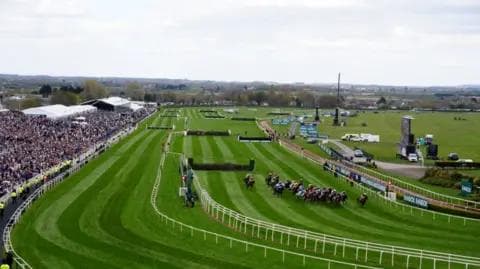
Cheltenham Festival is held at Cheltenham Racecourse in Gloucestershire, usually across four days in mid-March. Each day has its own flagship race, and those headline events sit inside cards packed with competitive handicaps, novice contests, and supporting Grade races.
The Festival is widely treated as the championship week for National Hunt racing. Horses are aimed at it months in advance, trainers plan seasons around peaking in March, and the storylines are strongly form-driven. If a horse has been dominating in Ireland or Britain from November to February, Cheltenham is where reputations are confirmed, questioned, or renewed.
A key part of the Festival’s character is the breadth of meaningful races. Even when one champion steals attention, another division may be crowned an hour later. It creates a rolling sense of anticipation where the next big race is always approaching.
Cheltenham typically features:
- Strong early pace and races that reward accuracy at speed
- Deep, competitive fields where favourites often face real threats
- A logical, form-led narrative built over the season
What the Grand National actually is
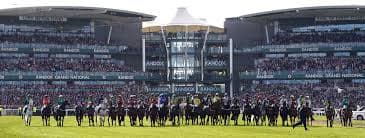
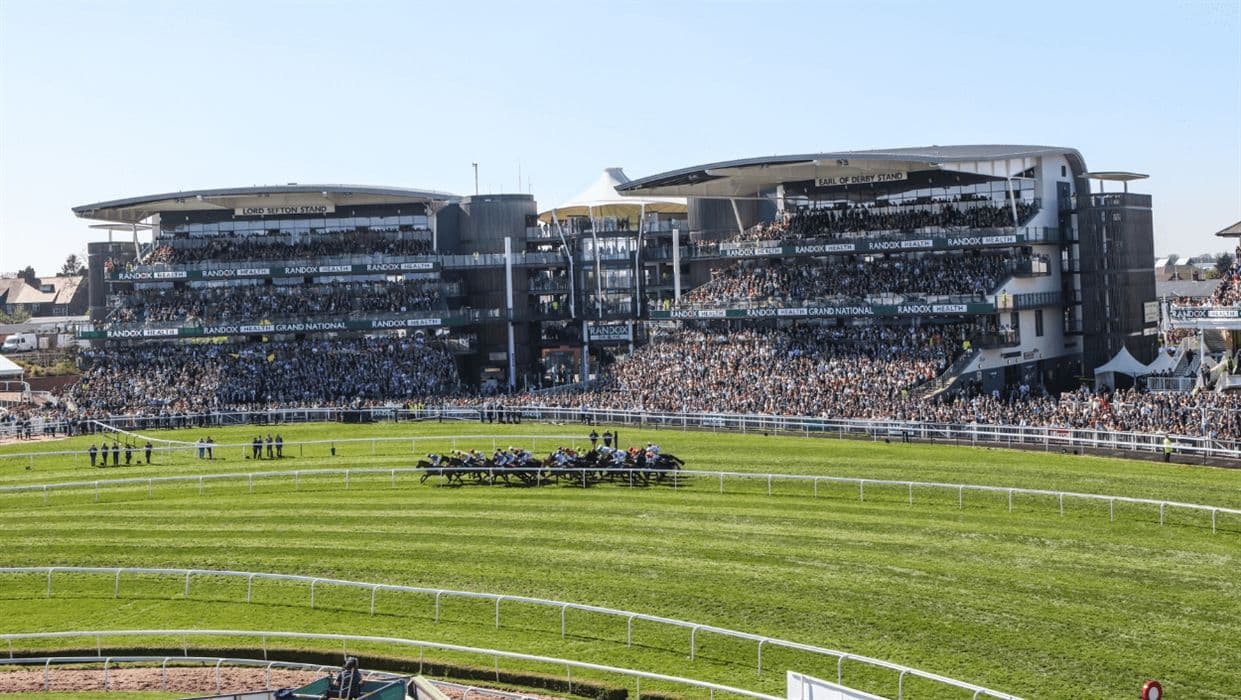
The Grand National is run at Aintree Racecourse near Liverpool, typically in early April. While the Aintree meeting includes high-quality races, the Grand National itself towers above them. It is a marathon handicap chase over four miles and two and a half furlongs, famous for its large field and distinctive fences.
The National is not simply a big Cheltenham chase. It is its own discipline. The fences are different in profile and in how they come at horses, the rhythm of the race is unusual, and the challenge is as much about conserving energy and maintaining a clean jumping pattern as it is about raw class.
Its cultural footprint is also broader. Many people who rarely watch racing still have a horse name in mind or a story about how they picked their selection. That does not make it less serious — it makes it more communal.
Race formats and what they demand of horses
Cheltenham Festival showcases a wide range of distances and divisions. You will see elite hurdlers built on cruising speed, championship chasers who attack fences at a relentless tempo, and staying types who grind rivals into submission up the hill.
The Grand National is narrower in scope but deeper in one specific demand: endurance plus safe, economical jumping for a very long time, in a large field, over fences with their own reputation. The best National horses are often streetwise, resilient, and efficient. Brilliance helps, but it is rarely enough on its own.
The experience on the ground
Cheltenham feels like a concentrated celebration of the sport itself. The crowd often arrives early, stays late, and treats the whole week as an unfolding narrative. You can spend the morning debating novice form and find yourself roaring home a champion in the afternoon.
Aintree, by contrast, attracts a wider mix of motivations. Many attend for the social atmosphere, many for tradition, and many for the spectacle of the big race. The emotional shape is different: a long build-up followed by one huge release when the National unfolds.
Both are exceptional experiences, but they reward different kinds of attention. At Cheltenham, you might study how a horse travels or settles. At Aintree, you may find yourself counting fences, tracking traffic, and hoping your selection is still jumping confidently at halfway.
How fans approach betting and form study
Cheltenham can feel like a feast for form students because so many runners are carefully targeted at specific races. Markets tend to be sharp, and the margins between contenders are often fine. Small details matter: ground preferences, track position, and whether a horse finishes strongly up the hill.
Aintree’s Grand National invites a broader style of engagement. Some bettors still build meticulous shortlists, while others happily choose with their heart. The race carries more built-in uncertainty, and that is part of its appeal.
A useful way to frame the difference:
- Festival handicaps: pace maps, weights, and race positioning matter greatly
- Championship races: proven class and fluent jumping at speed are key
- Grand National: stamina, jumping efficiency, big-field experience, and temperament dominate
Cheltenham often rewards precision. The National often rewards robustness.
Media attention and the stories people remember
Cheltenham’s narratives tend to centre on sporting achievement: a novice becoming a star, a champion defending a crown, or a trainer landing a long-planned target. It often feels like an annual examination for the best in the sport.
The Grand National’s stories travel further into the mainstream. People remember where they watched it, who they were with, and the horse that surprised them. It is not that Cheltenham lacks emotion — it is that Aintree’s flagship race has become a shared national reference point.
Cheltenham also intensifies rivalries between Britain and Ireland because divisions are clearly defined and top horses meet head-to-head. The National is more democratic. A well-handicapped outsider can step into history, and the narrative can turn on one bold jump or one perfectly judged ride.
Choosing which one to follow this spring
If your time is limited and you want an entry point into National Hunt racing, choose based on what excites you most. Cheltenham offers variety and rhythm across four days. Aintree offers one race that feels like a national moment.
A practical guide:
- Like variety? Choose Cheltenham — each day has a different centrepiece.
- Prefer one huge moment? Choose the Grand National.
- Enjoy best vs best match-ups? Focus on Cheltenham’s championship races.
- Love unpredictability and romance? The Grand National delivers it.
Many fans eventually do both: Cheltenham sharpens the analytical eye, while Aintree provides the shared spectacle.
Whichever you follow, watch with intention. Study how the Cheltenham hill changes finishing efforts, or learn the names of key Aintree fences and observe how experienced horses conserve energy early. The reward is not only finding winners — it is understanding why these two fixtures, similar on paper, feel so different when the tapes rise.