Common Cheltenham Festival Betting Mistakes to Avoid
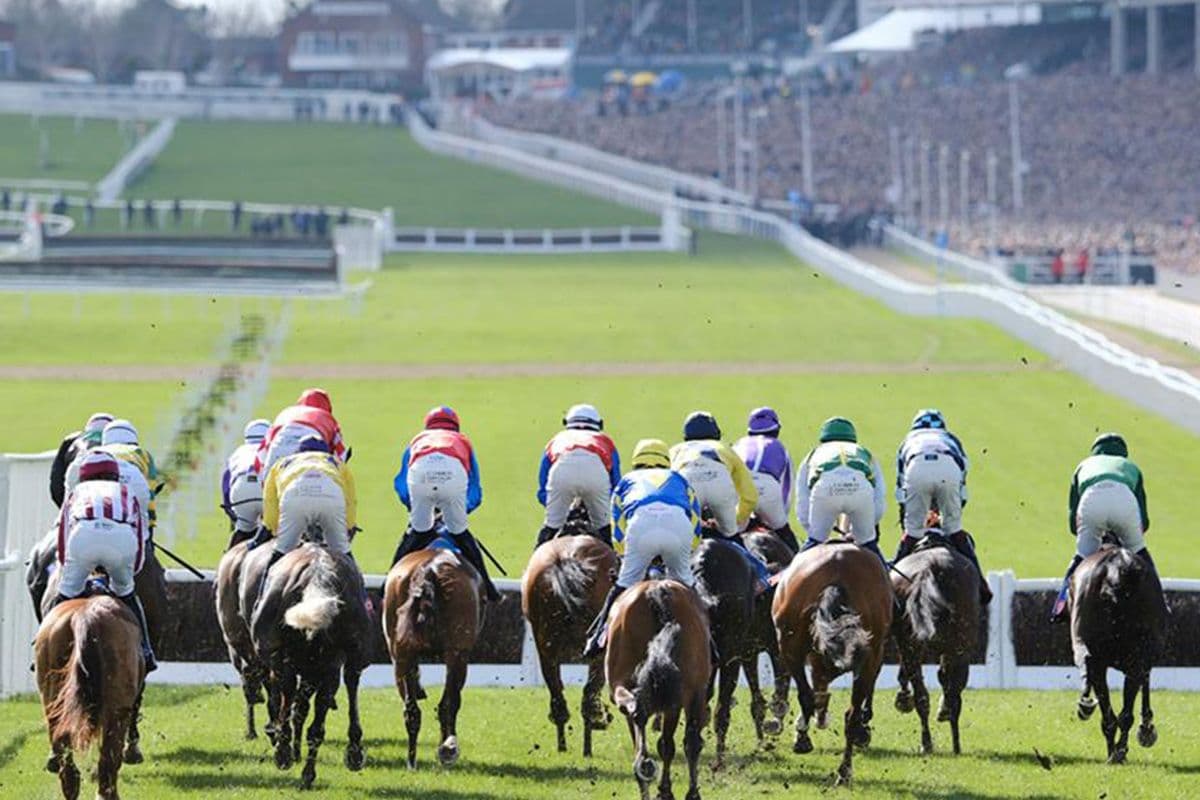
Cheltenham week has a way of making even sensible punters feel invincible. The racing is elite, the narratives are strong, and the atmosphere nudges you towards “having a go” in races you would normally watch with a cup of tea and a notebook.
That energy is part of the appeal, yet it also creates patterns of avoidable mistakes. A few small changes in approach can protect your bankroll, sharpen your decisions, and keep the whole week enjoyable.
Why Cheltenham encourages bad habits
Cheltenham is a festival, not a normal meeting. There are more races, more markets, more opinions, more short-priced favourites, and far more noise around so-called “good things.”
It is also a place where uncertainty is priced in. Big fields, an undulating track, intense pace, and changing ground mean that even the strongest form lines can wobble. The best way to cope is not to bet more, but to think more clearly.
One more point: the festival has a four-day rhythm, and the pressure to “get out” early can push people into desperate decisions before the week has even found its shape.
Mistake 1: Treating tips and hype as certainty
Festival coverage is excellent, yet it can persuade you that everyone else knows something you do not. Tipsters disagree constantly, stable whispers rarely arrive with context, and the loudest opinion is not the same as the best one.
A healthier mindset is to treat all external opinions as inputs, not instructions. Ask what the tip is built on and whether that evidence still makes sense once you consider the likely pace, the ground, and the price. If the price has collapsed, the value may already be gone even if the horse wins.
Confidence should be earned through process, not borrowed from volume.
Mistake 2: Betting because you feel you should have an interest
Some bettors arrive at Cheltenham Festival believing they must bet every race to “make the day.” That is a fast route to weak selections, poor prices, and stakes that creep up simply to manufacture excitement.
You do not need an opinion on every contest. In fact, skipping races is one of the most professional habits you can build. There is real satisfaction in watching a race with no financial attachment and realising you were never going to get the winner at the right price anyway.
Mistake 3: Chasing losses between races
The gaps between races are short. When a bet loses, you have minutes to recover it, which is exactly why chasing is so common at the Festival. It often looks like doubling a stake on the next race, adding an extra leg to an accumulator, or punting a short-priced favourite “to get back.”
A steadier approach is to accept that variance is part of jump racing, even for good bets. If your reasoning was sound and the price was fair, a loss is not a signal to abandon discipline — it is just one outcome.
A useful rule is to decide your maximum stake for the day before the first race. If you hit it, you stop, even if there is a supposed banker later on.
Mistake 4: Overbuilding multiples because they look tidy
Multiples are seductive at Cheltenham. They give you a single ticket to cheer all afternoon, and the returns can look impressive in the bet slip before the first race has even started.
The catch is that every extra leg compounds uncertainty, and Festival races are uncertain by nature. Even if each selection is reasonable on its own, the combined probability shrinks quickly while the bookmaker margin on accumulators works against you.
If you enjoy multiples, keep them small and treat them as entertainment stakes, not the foundation of your week. Many experienced punters back their strongest fancy as a single, then use a smaller, separate amount for a fun double.
Mistake 5: Ignoring ground, pace, and how the track actually rides
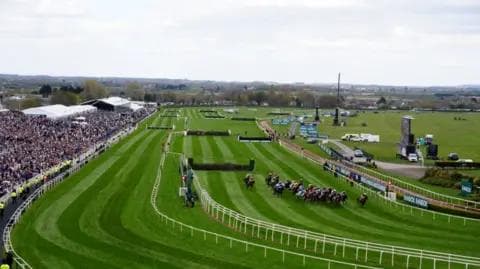
Cheltenham is not a flat, predictable circuit. Horses face the hill, the camber, and the demands of jumping at speed. Pace matters too. A strong gallop can expose a doubtful stayer; a messy, stop-start affair can blunt a class act who wants rhythm.
Ground is the headline variable, yet it is also the one most likely to be oversimplified. Labels like “soft ground horse” or “good ground horse” hide nuance, including whether a runner needs deep mud, merely some cut, or simply dislikes fast spring turf.
Build the habit of checking a small set of race-shaping factors every time. You are not trying to predict the exact shape of the race — only to avoid being surprised by it.
Mistake 6: Misreading each-way terms and paying for false comfort
Each-way betting can be sensible in big fields, yet it is often misunderstood. Terms vary by race and bookmaker, and a bet that feels safer can be poor value if the place part is unattractive.
Pay close attention to:
- The number of places
- The fraction of the odds paid on the place part
- The depth of the mid-market, since tightly packed fields make places less forgiving than they appear
Also be clear about what you actually want from the bet. If you would be disappointed with third because you strongly fancy the horse to win, a straight win bet at the right price may suit you better than paying for place insurance you do not really need.
Mistake 7: Leaving value on the table by betting at the wrong time
Timing is not about being first — it is about being right on price. Cheltenham markets move for many reasons: stable money, public money, weather updates, and media momentum.
Early prices can be generous when firms are shaping a book, yet they can also be fragile if non-runner risk is high. Late prices can be efficient, but they can also drift in races where attention clusters around a few obvious names.
A practical approach is to decide what price you would be happy to take, then act only when the market gives it to you. If it never does, you keep your money.
A simple pre-bet checklist
A short checklist keeps your thinking consistent, especially when excitement rises and decisions get rushed.
Before placing a bet, run through these calm questions:
- Price: would you still back it if you had to take slightly shorter?
- Scenario: what needs to happen in the race for this bet to win?
- Risk: what is the most likely reason it loses?
- Alternatives: is there a better bet type for your view (win, each-way, place, without the favourite)?
That last point is underrated. The market offers more than a binary win-or-lose position, and Cheltenham is a week where shaping your bet to your opinion can make a major difference.
Bankroll and staking that can last the week
Many Festival losses are not caused by bad picks, but by weak staking. When stakes are based on emotion, the bankroll becomes hostage to the last result rather than the quality of the next decision.
Organise your money into simple lanes and stick to them. This creates breathing room when inevitable losing runs arrive.
- Festival bank: the total amount you are happy to spend across all four days
- Daily limit: a fixed slice of that bank, kept separate
- Main bets: your strongest positions, staked consistently
- Fun bets: small stakes for novelty markets, multiples, or sentimental fancies
Consistency beats intensity. A steady staking plan also helps you take a good price without feeling the need to “make it count” with an oversized bet.
Keeping the week enjoyable and sharp
Cheltenham is meant to be fun, and good discipline supports that rather than fighting it. Make space for the social side, accept that even strong bets can lose, and judge yourself by the quality of your decisions rather than the day’s profit and loss.
If the stakes ever stop feeling entertaining, step back. Setting limits, taking breaks between races, and betting only what you can afford to lose are not just responsible habits — they are also the habits that keep your thinking clear when the roar goes up and the next off-time approaches.